Best Time to Sail the BVI
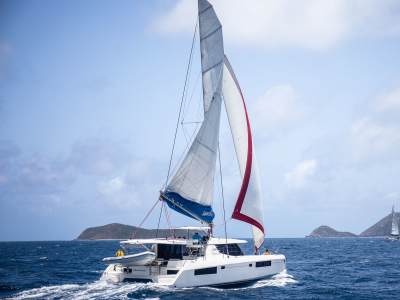
The British Virgin Islands (BVI) is one of the world’s most popular sailing destinations – and for good reason. Line-of-sight navigation, steady trade winds, short passages, and well-protected anchorages make the BVI an ideal cruising ground for both first-time and experienced charterers. Still, even in a sailor-friendly destination, the BVI is a Level 1 on the Sunsail scale, good seamanship and smart planning are essential.
Understanding where extra caution is needed will help you sail the British Virgin Islands comfortably and confidently.
Most sails in the BVI are under two hours, allowing you to plan relaxed days and avoid sailing in fading light. Trade winds typically build through the afternoon, so aim to be secured on a mooring or at anchor by mid-afternoon.
Fatigue and poor visibility contribute to many minor incidents, particularly late in the day—starting early is one of the simplest safety decisions you can make. Early arrivals also give you first pick of moorings and more time to settle in before sunset. Night sailing is prohibited on all Sunsail charters.
Sunsail tip: Keep your daily plan flexible. If conditions change, the BVI offers plenty of sheltered alternatives just around the corner.

Some of the busiest—and most beautiful—areas in the BVI are also where incidents are most likely to occur due to congestion, shallow water, or strong currents.
Areas to watch carefully include:

3. Keep an Eye on Charts and Markers
While navigation in the BVI is generally straightforward, reefs and shoals do exist—especially near shorelines, cuts, and anchorages. Always follow marked channels, respect charted depths, and avoid shortcuts through unfamiliar water.
Common problem areas include:
Rely on a combination of paper charts, onboard electronics, and visual navigation. Clear water makes it easier to spot reefs, but glare and changing light conditions can be deceptive.

4. Use Mooring Balls Whenever Possible
The British Virgin Islands is famous for its extensive mooring ball system, which provides secure, easy overnight options in nearly every popular bay. Mooring balls reduce the risk of dragging anchor and help protect fragile coral reefs. Some of them can be reserved in advance as we explain in our blog Boaty Ball Tips in the BVI.
Always approach mooring fields slowly, assign clear roles to your crew, and confirm the mooring line is securely attached before shutting down the engine, especially in busier bays where boats raft up closely. When in doubt, ask for assistance, other helpful boaters are never far away.

5. Monitor Weather and Wind Conditions
The BVI enjoys consistent trade winds and stable weather, particularly during peak season. Still, it’s important to check daily forecasts and understand how local conditions behave.
Wind acceleration zones—such as between islands or through narrow channels—can create stronger gusts than forecasted, particularly:
Reef early if needed and reduce sail before conditions become uncomfortable.
Good rule of thumb: If you’re thinking about reefing, it’s probably time.

6. Brief Your Crew Before You Leave the Dock
A quick safety briefing goes a long way. Before setting sail, make sure everyone knows:
Assign clear roles during docking, mooring pick-ups, and anchoring to avoid confusion when it matters most. Clear communication prevents most onboard mishaps.
As captain of your charter vessel, Sunsail will provide you with a yacht briefing upon arrival, an online charter briefing before you leave home, and an in-person chart briefing at the BVI base to demonstrate all safety equipment on board, clarify any questions you may have and to cover any current conditions to be aware of.

7. Practice Smart Dinghy Safety
Dinghies are part of everyday life in the BVI—used for beach visits, dinners ashore, and exploring nearby coves. Always wear life jackets, especially at night, and carry a waterproof flashlight.
Use a kill cord, drive at safe speeds, and keep an eye out for swimmers and other boats near shore.
Popular nightlife spots—such as White Bay (Jost Van Dyke)—can have heavy dinghy traffic in the evening, so stay alert and drive defensively.

8. Respect Marine Life and the Environment
Part of sailing safely in the BVI means protecting what makes it special. Avoid anchoring on coral, slowing down in turtle areas, and never discharge waste in protected waters.
Using reef-safe sunscreen and properly securing trash onboard helps preserve the pristine environment for future sailors. Click here for other tips on how to minimize your footprint when out on the water.
The British Virgin Islands offer some of the safest and most rewarding sailing in the world—but knowing where to slow down, stay alert, and follow local best practices makes all the difference.
With thoughtful planning, respect for the environment, and a bit of local awareness, you’ll enjoy exactly what the BVI does best: relaxed sailing days, unforgettable anchorages, and the confidence to explore at your own pace—with Sunsail by your side every step of the way.
Related articles:

Start your experience with Sunsail on land and sign up to receive e-mails from us about yachts, offers and destinations.
By clicking 'Sign up' you confirm that you have read and understood our Privacy Policy and consent to our use of your information.